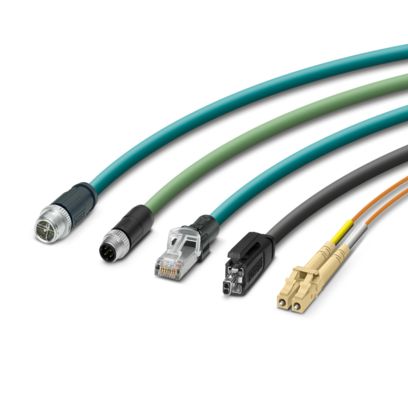
Understanding the Different Types of Cables: A Comprehensive Guide
In today's technologically advanced world, understanding the different types of cables is crucial for both personal and professional applications. Cables serve as the backbone for various electronic devices, enabling data transmission and power supply. Some of the most common types include coaxial cables, which are typically used for cable television and internet connections, and fiber optic cables, renowned for their ability to transmit data at high speeds over long distances. Additionally, twisted pair cables, such as those found in networking, come in two categories: *shielded twisted pair (STP)* and *unshielded twisted pair (UTP)*, each serving unique purposes based on the level of interference they may encounter.
Moreover, it is essential to consider the specific needs of your setup when choosing the right cable type. The different cables not only vary in design but also in performance factors like speed, bandwidth, and distance. For instance, HDMI cables are perfect for transmitting high-definition audio and video signals, while USB cables are widely used for power supply and data transfer between devices. Always ensure to choose a cable that meets your requirements, taking into account the length, compatibility, and data transfer rates. With an extensive range of cables available, understanding their distinctions will help you make informed decisions and enhance your overall connectivity experience.
Counter-Strike is a highly popular team-based first-person shooter game that has captivated players since its release. It emphasizes strategy, teamwork, and skill, making each match an intense experience. Players can also enhance their gaming setup with various peripherals, and you might want to check out the Top 10 USB-C accessories to elevate your gameplay.
Why Cables Matter: The Backbone of Connectivity in Our Digital Age
In today's fast-paced digital world, cables play a crucial role in maintaining strong and reliable connectivity. They serve as the essential backbone of our telecommunications infrastructure, enabling everything from high-speed internet to crystal-clear voice calls. The importance of cables extends beyond simple connectivity; they are responsible for transmitting vast amounts of data between devices, supporting our ever-increasing need for speed and reliability. Without properly designed and maintained cables, our digital experiences would be fraught with interruptions and inefficiencies.
Furthermore, not all cables are created equal. Different applications demand various types of cables—including fiber optic cables, coaxial cables, and twisted pair cables. Each type serves a specific purpose, catering to the unique needs of modern technology. Understanding the different types and their applications not only helps consumers make informed decisions but also highlights the importance of investing in quality cables for optimal performance and longevity in our increasingly connected lives.
How to Choose the Right Cable for Your Devices: Key Factors to Consider
Choosing the right cable for your devices is crucial for ensuring optimal performance and longevity. First and foremost, compatibility should be your top consideration. Make sure the cable you select is designed to work with your specific devices, whether they are smartphones, laptops, or peripherals. Different devices may require various types of connections such as USB-C, HDMI, or Thunderbolt. Furthermore, pay attention to the cable’s data transfer rate and power delivery capabilities, which can significantly affect charging times and data speeds.
Additionally, the cable length and build quality are important factors to consider. If you plan to use your cable in a stationary setting, a longer cable may offer more flexibility in terms of positioning. However, for portable use, a shorter cable might be more convenient. Lastly, investing in a well-built cable with durable materials can prevent wear and tear, ensuring that your cable lasts longer and performs reliably. Consider these key factors when selecting cables to enhance your devices' performance and durability.