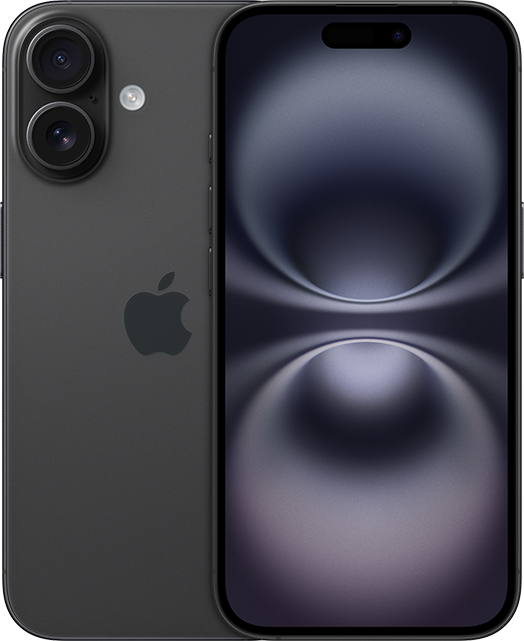
How the iPhone Redefined Mobile Technology
The introduction of the iPhone in 2007 marked a significant turning point in the mobile technology landscape. Prior to its arrival, smartphones were generally characterized by physical keyboards and limited touch functionality. Apple's innovation not only combined a sleek design with an intuitive touch interface but also integrated vital features such as a powerful camera, internet browsing capabilities, and an extensive app ecosystem. This revolutionary approach set a new standard for what consumers expected from their devices, pushing competitors to enhance their own offerings.
In addition, the iPhone pioneered the concept of the smartphone ecosystem, where applications could be easily downloaded and updated. The launch of the App Store in 2008 transformed mobile use cases, enabling developers to create an endless array of applications that expanded the functionality of the device. As a result, the iPhone not only redefined hardware expectations but also fundamentally shifted the way users interacted with technology daily, making it an essential tool for both personal and professional use.
Counter-Strike is a highly popular first-person shooter game that has captivated gamers since its release in 1999. The game features two opposing teams, terrorists and counter-terrorists, competing to complete objectives or eliminate the opposing team. Its competitive nature has led to a thriving esports scene, and many players look for ways to enhance their gaming experience, including accessories like Top 10 iPhone Charm Straps and Phone Charms. With constant updates and a dedicated community, Counter-Strike remains a staple in the gaming world.
10 Innovations Introduced by the iPhone That Changed Everything
Since its launch in 2007, the iPhone has been a catalyst for unprecedented transformations in the tech landscape. One of the greatest innovations introduced by the iPhone was the App Store, which revolutionized software distribution. By providing a centralized platform for developers to sell and distribute applications, Apple enabled a flourishing ecosystem that led to millions of apps catering to every conceivable need. This shift not only transformed the way users interact with their devices but also created entirely new industries around mobile app development.
Another significant innovation was the iPhone's introduction of the multi-touch interface, which allowed users to interact with their devices in intuitive ways that were previously unimaginable. This feature made it possible to pinch, swipe, and tap, thereby enhancing the user experience dramatically. As a result, other smartphone manufacturers quickly adopted similar technologies, leading to a universal change in how mobile devices are designed and used globally. These innovations, among others, illustrate how the iPhone has not just changed technology but also our daily lives.
What Makes the iPhone a Revolutionary Device in Smartphone History?
The iPhone is often hailed as a revolutionary device in smartphone history for its unprecedented integration of features and sleek design. Launched in 2007, it combined a mobile phone, an iPod, and an internet communicator into one compact device. One of the defining characteristics that set the iPhone apart was its intuitive touch interface, allowing users to navigate seamlessly through apps and settings, which was a stark contrast to the physical keyboards of earlier smartphones. This design not only enhanced usability but also opened the door for thousands of applications through the App Store, transforming it into a versatile tool for communication, entertainment, and productivity.
Moreover, the iPhone's impact extends beyond its hardware; it catalyzed the evolution of mobile software and user experience. The introduction of features such as FaceTime, Siri, and subsequent advancements in photography and security—like the Face ID—has positioned the iPhone at the forefront of technological innovation. This relentless pursuit of excellence has challenged competitors to elevate their offerings, thereby accelerating the entire industry's progress. As a result, it's clear that the iPhone changed not only how we use smartphones today but also set the standard for future devices, making it a significant milestone in the history of mobile technology.