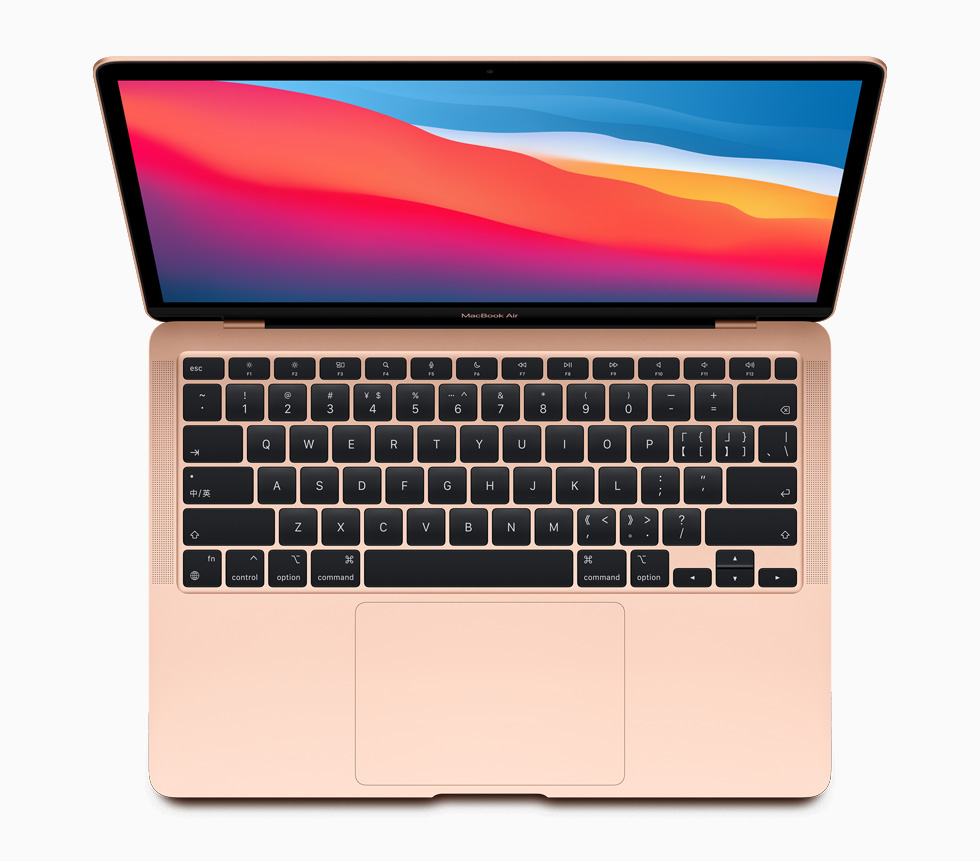
Unlocking Hidden Features: 5 MacBook Tips You Didn't Know Existed
If you're a MacBook user, you may think you know all the tricks your device has to offer. However, there are numerous hidden features that can boost your productivity and enhance your overall user experience. In this guide, we'll explore five MacBook tips you didn't know existed, starting with a simple way to take high-quality screenshots. By using the built-in screenshot tool, you can capture specific selections, entire windows, or even record your screen. To access it, simply press Command + Shift + 5 and watch how it transforms your workflow.
Another unexpected feature lies within the Mission Control functionality. By swiping up with three fingers on your trackpad, you can view all your open applications and desktops at once, allowing you to switch seamlessly between tasks. Additionally, did you know you can create custom keyboard shortcuts? Go to System Preferences > Keyboard > Shortcuts, and you can assign shortcuts to any menu command in any application. These tips are just the beginning—unlocking your MacBook's full potential can significantly streamline your daily tasks.
Counter-Strike is a renowned first-person shooter (FPS) game series that has captivated millions of players worldwide. Known for its intense team-based gameplay, Counter-Strike requires strategic thinking, quick reflexes, and effective communication among teammates. As players immerse themselves in various maps and modes, they often look for ways to enhance their gaming setup. For those seeking to optimize their productivity while gaming, check out the Top 10 MacBook Accessories for Office, which can help elevate your overall experience.
The Truth About Battery Life: What Your MacBook Is Really Trying to Tell You
The battery life of your MacBook is often a source of frustration for users, leading to the question: What is your MacBook really trying to tell you? As your device ages, various factors can affect its battery performance, such as software updates, background applications, and environmental conditions. Understanding these factors is crucial for maximizing your MacBook's battery efficiency. For instance, did you know that regularly keeping your brightness at a lower setting can significantly extend battery life? By managing these settings, you can unlock a smoother user experience and prolong the lifespan of your MacBook's battery.
Moreover, it's essential to pay attention to the Battery Health feature in macOS, which provides insights into your battery's condition and its ability to hold charge. You can check your battery's status by going to System Preferences > Battery. If your battery health is significantly below 80%, it may be time to consider a replacement. Additionally, enabling the Optimized Battery Charging feature helps in decreasing the wear on your battery by learning your charging habits and reducing the time your MacBook spends fully charged. By staying informed and taking these practical steps, you'll not only enhance your productivity but also avoid unexpected shutdowns and other battery-related frustrations.
Is Your MacBook Running as Fast as It Could? Common Performance Myths Debunked
Many MacBook users often find themselves questioning the speed and performance of their devices. One common myth is that upgrading to the latest macOS will always improve performance. While it’s true that newer operating systems can enhance security and introduce new features, they may also demand more resources, potentially slowing down older models. Understanding how your MacBook's hardware interacts with the software is crucial to maximizing its performance. Factors such as RAM capacity, SSD speed, and processor power play significant roles in determining your device's overall speed.
Another prevalent misconception is that having a multitude of applications open significantly hampers performance. In reality, macOS is designed to efficiently manage resources, and unless your system is extremely resource-constrained, running several applications simultaneously may not lead to noticeable slowdowns. However, programs that run in the background or launch at startup can consume critical resources. To address performance issues, consider managing your startup items and closing unnecessary applications, rather than avoiding multitasking altogether.