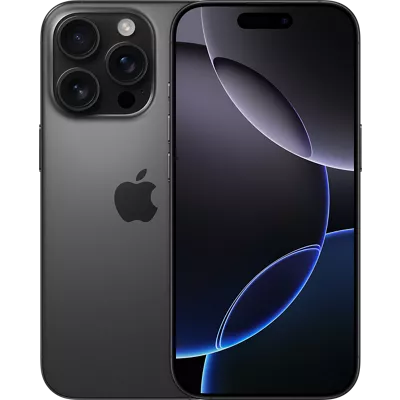
The Evolution of Mobile Technology: iPhones vs. Elevators
The evolution of mobile technology has been nothing short of revolutionary, transforming the way we communicate, conduct business, and access information. The advent of the iPhone in 2007 marked a significant shift in the mobile landscape, integrating a user-friendly interface with powerful computing capabilities. Unlike traditional mobile phones, the iPhone introduced features such as a touch screen, app ecosystem, and robust internet connectivity, which collectively redefined user expectations. As mobile technology continues to advance, we find ourselves constantly comparing innovations like the iPhone to other technological marvels, such as the modern elevator. While both have fundamentally changed our daily lives, their paths of evolution offer unique insights into how technology adapts to meet human needs.
When we consider the iPhone alongside the elevator, both exemplify humanity's quest for convenience and efficiency, albeit in different realms. The elevator has allowed us to easily traverse vertical spaces, revolutionizing architecture and urban planning since its inception in the 19th century. Similarly, the iPhone has redefined mobility, making a wealth of information accessible at our fingertips. As mobile technology continues to evolve, we see a trend toward greater integration of features that enhance user experience. Whether it's through the seamless connectivity of smartphones or the innovations in elevator technology, both are vital in shaping modern society, emphasizing how far we have come in optimizing our physical and digital landscapes.
Counter-Strike is a popular first-person shooter game that pits teams of terrorists against counter-terrorists in various game modes. Players can choose their weapons and strategy, creating an engaging and competitive atmosphere. For gamers looking to optimize their setup, consider the Top 10 iPhone desk stands to enhance their gameplay experience.
How iPhones Have Revolutionized Communication: A Comparative Look
The introduction of the iPhone in 2007 marked a pivotal moment in the evolution of communication technology. It seamlessly combined a phone, internet browser, and media player, revolutionizing the way we connect with one another. Unlike previous mobile devices that offered limited functionality, the iPhone provided a user-friendly interface that allowed users to navigate and communicate through apps and social media with unprecedented ease. This integration not only enhanced personal communication but also transformed the dynamics of business communication, allowing professionals to stay connected at all times through email, video calls, and messaging platforms.
In comparison to older forms of communication, which largely relied on text messages or voice calls, the iPhone has enabled a richer, multimedia experience. For instance, the ability to share photos, videos, and location data instantly has fostered more engaging interactions. As communication has evolved from simple text to multimedia-rich conversations, iPhones have become essential tools that facilitate not only personal connections but also global collaboration. Furthermore, the implementation of features like FaceTime and group messaging has redefined how we share experiences, bridging distances and making communication more inclusive than ever before.
Are Elevators the Next Big Step in Smart Technology?
As we journey further into the digital age, elevators are emerging as a crucial component of smart technology. Traditionally viewed as mechanical transport systems, modern elevators are evolving to integrate advanced technologies that enhance user experience and operational efficiency. By leveraging the Internet of Things (IoT), these smart elevators are not only capable of communicating with building management systems but also analyzing usage patterns to optimize performance. For instance, predictive maintenance can now be employed, minimizing downtime and ensuring smooth operations, which could dramatically influence how we interact with urban spaces.
The integration of features such as voice recognition and touchless controls reflects the growing demand for convenience and safety. As urban populations swell, smart elevator systems are becoming essential in addressing challenges related to accessibility and energy consumption. Imagine an elevator that predicts your destination based on your patterns or one that adjusts its energy usage according to peak hours. Such advancements not only provide a seamless ride but also contribute to the sustainability of buildings. With these innovations, elevators are set to become a pivotal aspect of smart city infrastructures, showcasing the potential of technology to reshape our urban environments.