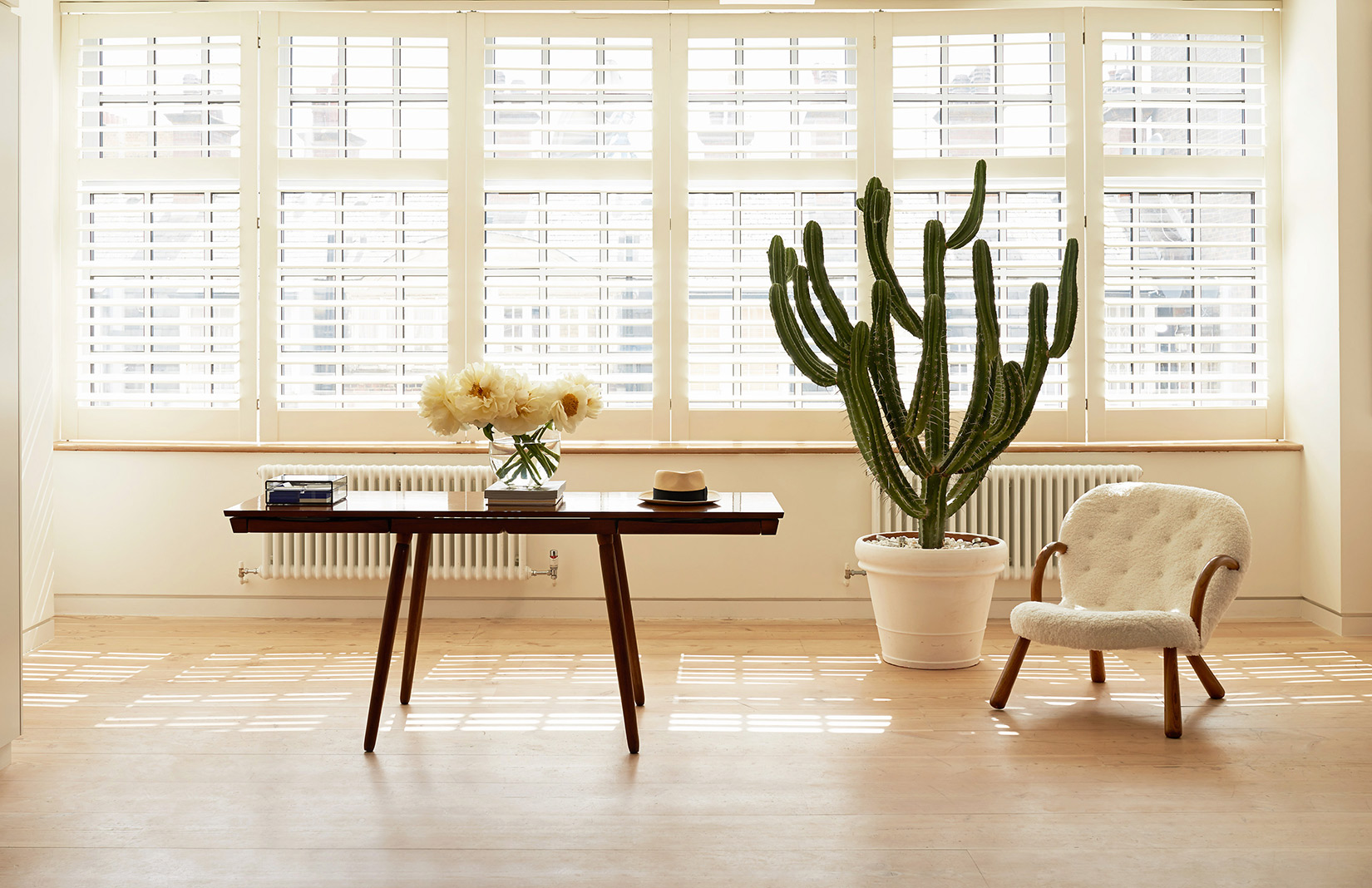
Understanding the Principles of Minimalism: A Beginner's Guide
Minimalism is not just a design trend; it's a lifestyle choice that emphasizes the importance of simplicity. At its core, minimalism encourages individuals to declutter their physical and mental spaces, allowing them to focus on what truly matters. This practice often involves reassessing one's possessions, commitments, and habits to identify and eliminate anything that does not contribute to one's sense of well-being. By prioritizing quality over quantity, minimalists can enjoy a more intentional and fulfilling life.
For those new to the concept, understanding the principles of minimalism can be a transformative experience. Here are some key tenets to consider:
- Simplicity: Seek to simplify your environment and daily routines.
- Intentionality: Be mindful of your choices and their impacts.
- Clarity: Strive for mental clarity by reducing distractions.
- Quality over Quantity: Invest in fewer, but higher quality items.
By integrating these principles into your life, you can start your journey toward minimalism and experience its numerous benefits.
Counter-Strike is a highly popular team-based first-person shooter that has captivated gamers since its release. It emphasizes strategy, communication, and skill, making each match a unique experience. If you're looking to enhance your gaming setup, consider checking out the Top 10 Minimal Desk Accessories to create an optimal environment for gameplay.
10 Benefits of Embracing a Minimalist Lifestyle
Embracing a minimalist lifestyle offers a multitude of benefits that can enhance your overall quality of life. First and foremost, minimalism promotes mental clarity by reducing clutter and distractions. When you simplify your living space, your mind can also become more focused, allowing for better decision-making and enhanced productivity. Additionally, the minimalist approach encourages individuals to prioritize experiences over possessions, leading to more meaningful relationships and greater fulfillment in daily life.
Moreover, adopting a minimalist mindset can lead to financial savings. By intentionally choosing to buy less, you can reduce unnecessary expenses and save money for what truly matters. Minimalism also encourages environmentally friendly practices, as purchasing fewer items reduces waste and supports sustainable living. Lastly, a minimalist lifestyle fosters a sense of freedom, as letting go of physical belongings often translates to a lighter emotional load, enabling you to embrace new opportunities and adventures.
How to Declutter Your Home: Simple Steps to Start Your Minimalism Journey
Embarking on a minimalism journey starts with decluttering your home. To ease into this process, follow these simple steps:
- Start small: Choose one area, like a drawer or a closet, to tackle first. This helps build momentum without overwhelming you.
- Sort and categorize: As you go through your items, categorize them into 'keep', 'donate', and 'trash' piles. Be brutally honest about what you truly need.
- Set goals: Establish clear goals for your decluttering process, whether it's size-based (like reducing items by half) or time-based (spending 30 minutes a day).
Once you've made significant progress in decluttering your home, maintain your newfound space by adopting daily habits. Opt for the one-in-one-out rule: for every new item you bring in, consider letting go of something else. Additionally, create a defined space for everything, so each item has a home, which will prevent unnecessary accumulation. Remember, minimalism isn't just about the items you own; it's also about cultivating a mindset focused on simplicity and intentional living.