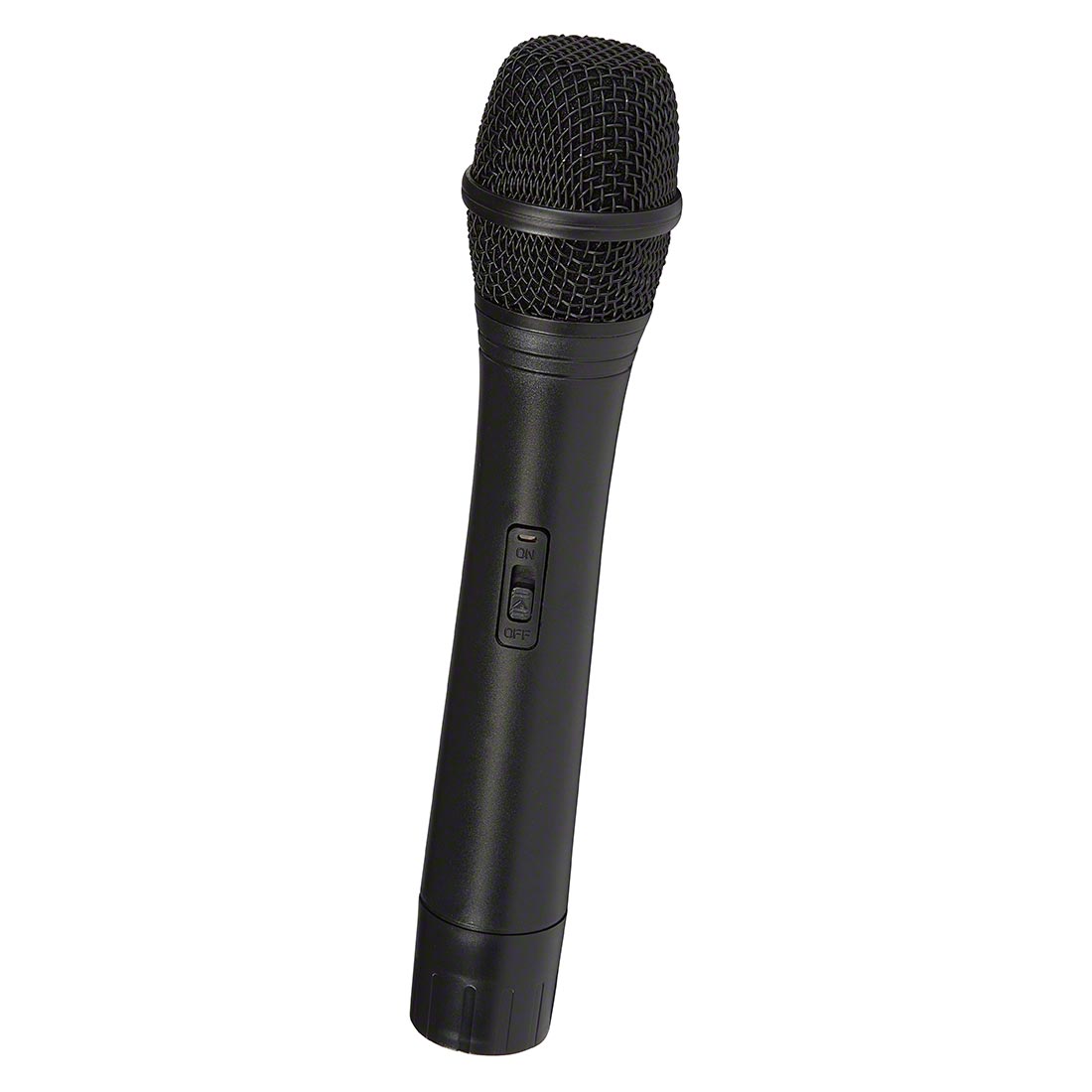
The Ultimate Guide to Choosing the Right Microphone for Your Voice
Choosing the right microphone for your voice can significantly enhance the quality of your recordings, whether you're a podcaster, musician, or content creator. Before making a decision, it’s essential to understand the different microphone types available. Dynamic microphones are great for live performances due to their durability and ability to handle high sound pressure levels, while condenser microphones are more sensitive and ideal for studio recordings. Here’s a quick comparison:
- Dynamic Microphones: Rugged, good for loud sound sources, less sensitivity.
- Condenser Microphones: Sensitive, excellent for vocals and nuanced sounds, requires phantom power.
Once you've identified the type of microphone that suits your needs, consider additional factors such as polar patterns and frequency response. Polar patterns determine how a microphone picks up sound from different directions. For personal use, a cardioid pattern is often preferred as it captures sound primarily from the front, minimizing background noise. Additionally, the frequency response affects how your voice will be represented in recordings. Ensure that the microphone you choose emphasizes the qualities of your voice, such as warmth or clarity. By keeping these factors in mind, you’re one step closer to achieving exceptional audio quality!
Counter-Strike is a popular tactical first-person shooter game where players compete in teams to complete objectives, such as planting or defusing bombs and rescuing hostages. With its emphasis on teamwork and strategy, many players seek to enhance their gaming experience with quality equipment, including high-fidelity audio gear. For those looking to upgrade their sound input, check out the Top 10 iPhone microphones that provide excellent clarity during gameplay.
5 Key Features to Look for When Selecting a Microphone
When selecting a microphone, one of the most important factors to consider is sound quality. A high-quality microphone should capture sound with clarity and precision, minimizing distortion and background noise. Look for microphones with a wide frequency response and low self-noise, which will enhance the overall audio experience. Reading user reviews and testing various models can help you assess the sound quality before making a purchase.
Another crucial feature to evaluate is the polar pattern. This determines how the microphone picks up sound from different directions. Common polar patterns include cardioid, which captures sound from the front while rejecting noise from the sides and rear, and omnidirectional, which picks up sound equally from all directions. The right polar pattern will depend on your intended use—whether you're recording vocals, instruments, or podcasts.
How to Test Microphones: Finding Your Perfect Sound Match
Testing microphones effectively is crucial for achieving the best sound quality for your recordings. To get started, create a conducive environment—choose a quiet room with minimal background noise. Begin by checking the microphone's specifications, including its frequency response and sensitivity. Then, perform a series of tests: record your voice at various distances and angles, and use different sound sources, like musical instruments. This will help you understand how well the microphone captures sound across different scenarios.
Once you have your test recordings, listen critically to identify the strengths and weaknesses of each microphone. Pay attention to clarity, warmth, and any unwanted noise or distortion. It can be helpful to play back your recordings on different speakers or headphones to get a more rounded perception. Finally, compare your findings with online reviews and expert opinions to further refine your choice. Remember, finding your perfect sound match may take time, but the right microphone can significantly elevate your audio projects.