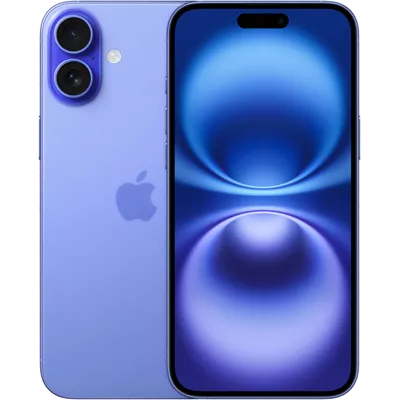
The Timeless Appeal: How iPhones Retain Value Over Time
The timeless appeal of iPhones is often attributed to their exceptional build quality, innovative technology, and brand loyalty. Unlike many other smartphones that rapidly depreciate in value, iPhones tend to hold their worth much longer, making them a smart investment for consumers. Factors such as regular software updates, seamless integration with other Apple products, and a robust second-hand market contribute significantly to this phenomenon. For instance, even older models can be sold for a substantial percentage of their original price years after their release.
Additionally, the value retention of iPhones is supported by their enduring popularity and brand prestige. The demand for used iPhones remains consistently high, meaning that users can resell their devices with little hassle. Furthermore, Apple's commitment to sustainability and longevity through software support means that newer features are often made available for older models, keeping them relevant. This combination of factors not only enhances the user experience but also ensures that iPhones remain valuable assets in an ever-evolving tech landscape.
Counter-Strike is a popular team-based first-person shooter that has captivated gamers around the world. As teams of terrorists and counter-terrorists battle it out, the game's strategic depth and emphasis on skill have made it a staple in the esports community. If you're looking to enhance your gaming experience, check out the Top 10 iPhone screen protectors to keep your device safe while you play.
The Secret Ingredients: What Makes iPhones Last Like Fine Wine
The resilience of iPhones, much like fine wine, can be attributed to a combination of innovative materials and meticulous design. One of the key elements is the durability of the materials used in their construction. Apple employs high-grade aluminum and glass that are not only aesthetically pleasing but also engineered for strength. This attention to detail ensures that iPhones can withstand daily wear and tear, much like a fine wine that improves with age. Moreover, Apple’s rigorous testing procedures ensure that each device meets high standards before it reaches consumers, contributing to its longevity.
Another vital aspect of the iPhone's lasting appeal lies in its software optimization and ongoing updates. Unlike many other smartphones that falter in performance over time, Apple consistently rolls out updates designed to enhance user experience and security. This dedication to maintaining the iPhone's performance is akin to the careful aging process of fine wine, where the right conditions can enhance quality. Essentially, the secret of what makes iPhones last lies in the harmonious blend of top-notch materials and robust software support, allowing them to stand the test of time.
Are iPhones the Bordeaux of Technology? Exploring Aging and Value
The comparison of iPhones to the illustrious Bordeaux wine region raises intriguing questions about aging and value in the tech world. Much like fine Bordeaux, which often appreciates with age, certain generations of iPhones develop a unique charm as they become part of our daily lives. The craftsmanship, quality, and cultural significance of older iPhones resonate with enthusiasts and collectors, paralleling the admiration wine connoisseurs have for aged bottles. This phenomenon invites us to ponder whether the value of technology can be assessed like that of a prized vintage, where rarity and nostalgia play crucial roles in determining worth.
Moreover, just as the flavors of Bordeaux evolve over time, so too do iPhones gain character with each new iOS update and feature enhancement. The durability of Apple’s design, coupled with a robust secondary market, enables older models to retain a certain prestige, akin to how a well-kept Bordeaux can serve as a conversation starter at gatherings. The question remains: do we view our iPhones merely as tools for communication, or have they evolved into symbols of status and tradition, much like a cherished bottle of wine? By exploring these parallels, we can better understand the implications of technology’s rapid evolution and what it means for the value we assign to our devices over time.