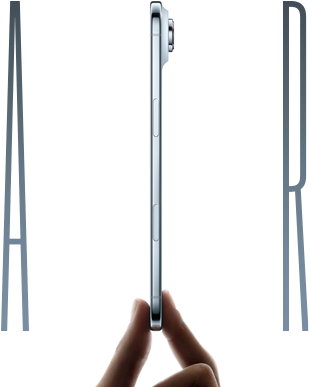
The Future of Sound: How Apple's iPhone Air is Redefining Wireless Audio
The future of sound is evolving rapidly, and Apple's iPhone Air is at the forefront of this revolution in wireless audio. With cutting-edge technology and innovative design, the iPhone Air enhances user experience by delivering unparalleled sound quality and seamless connectivity. Its advanced features, such as spatial audio and adaptive sound profiles, allow listeners to immerse themselves in high-fidelity soundscapes that were once reserved for premium audio systems. As more consumers embrace a wireless lifestyle, the iPhone Air stands as a testament to how technology can enhance our relationship with music and sound.
Moreover, the integration of wireless audio capabilities into the iPhone Air makes it a game changer for audiophiles and casual listeners alike. With enhanced battery life and robust compatibility with other Apple devices, users can expect a hassle-free experience when enjoying their favorite tunes or podcasts on the go. As Apple continues to innovate, it's clear that the iPhone Air is not just a device; it represents a shift towards a more immersive audio experience that prioritizes quality and convenience. In a world where music is essential, the future looks bright with the iPhone Air leading the way.
Counter-Strike is a highly popular team-based first-person shooter game that emphasizes strategy, teamwork, and skill. Players can choose to play as terrorists or counter-terrorists, with the primary objective of completing mission goals such as bomb defusal or hostage rescue. For gamers looking to protect their devices while playing, check out these Top 10 iphone air cases for great options.
Tech Mashups: What If Your Next AirPods Came with iPhone Features?
Imagine a world where your AirPods are not just a tool for listening to music, but a powerhouse of features straight from your iPhone. Tech mashups like this could revolutionize the way we interact with our devices. For instance, consider the potential of having FaceTime integrated into AirPods. You could take calls hands-free while enjoying crystal-clear audio, allowing for seamless communication during workouts or commutes. Additionally, imagine Siri not only responding to your commands but also displaying notifications directly onto your next-generation AirPods, making them an all-in-one accessory for both listening and managing daily tasks.
The fusion of iPhone features with AirPods could also enhance user experience in numerous ways. Live Listen capabilities could be improved further, enabling users to remotely adjust the audio based on their surroundings, thus enriching the auditory experience. Furthermore, with the addition of features like Health Monitoring directly through your earbuds, users could track their physical activities or even keep an eye on vital statistics. Such innovations would not just elevate the AirPods’ functionality but also encourage more people to embrace a wireless future. The possibilities are endless and could change how we perceive audio devices in everyday life.
Exploring the Concept: Can an AirPod be the Next Standalone Smartphone?
The evolution of technology has always been marked by a quest for convenience and innovation. As we explore the concept of whether an AirPod can emerge as the next standalone smartphone, it's essential to consider the advancements in wireless technology and miniaturization. With features such as voice recognition, noise cancellation, and seamless integration with other devices, AirPods are paving the way for a new form of communication. Imagine a future where you could make calls, send messages, and access apps directly through your AirPods without needing to pull out your smartphone. This shift could redefine user interaction and accessibility.
However, to transition from merely being a Bluetooth accessory to a fully functional standalone smartphone, AirPods would need to incorporate several key functionalities. For instance, evolving the hardware to include a battery that supports extensive use, a robust processor for multitasking, and potentially a display that could be paired with augmented reality glasses are crucial steps. As technology continues to advance, the question remains: can an AirPod truly become an all-in-one device, or will it always remain a complement to our smartphones? The answer may lie in the upcoming innovations from tech giants and how they envision the future of mobile communication.