How to Create a Productive Home Office Environment While Maintaining Work-Life Balance
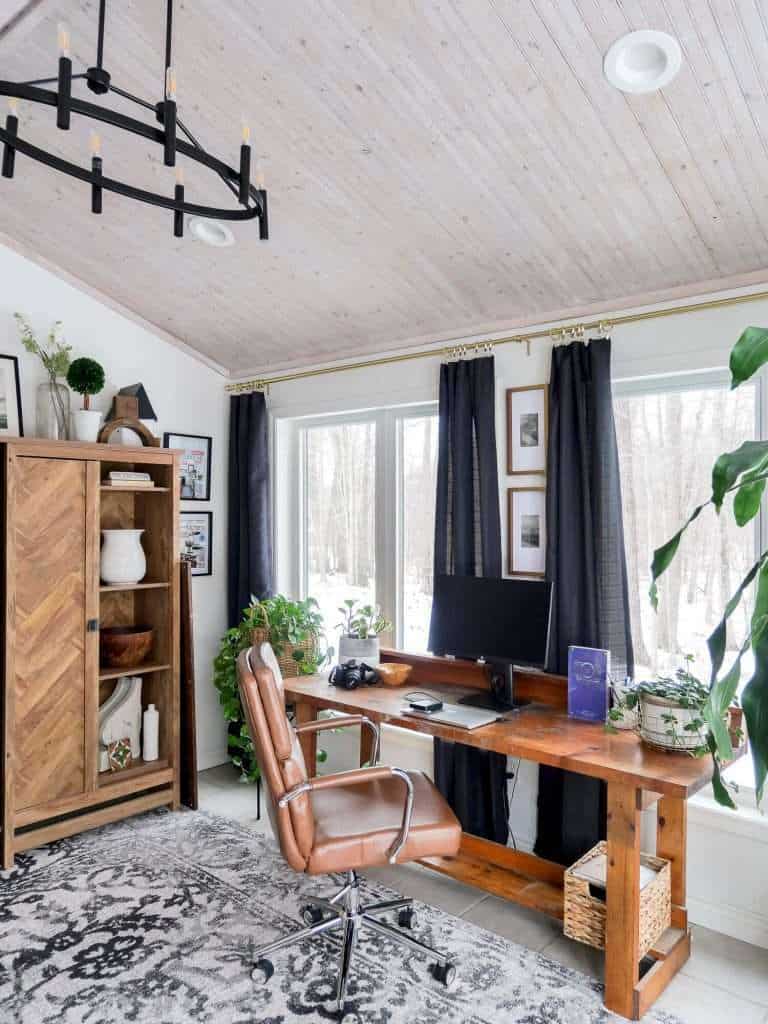
Creating a productive home office environment begins with the right setup. Start by selecting a designated space in your home that is free from distractions and represents a workspace. Investing in ergonomic furniture, such as a good chair and desk, can significantly enhance your comfort and focus. Additionally, consider optimizing your lighting—natural light is ideal, but if that's not possible, ensure you have adequate task lighting. To further boost productivity, keep your workspace organized and clutter-free, as a tidy environment promotes a clearer mind. You might also find it helpful to incorporate items that inspire you, like plants or motivational quotes, to create a more inviting and stimulating atmosphere.
Equally important is maintaining a healthy work-life balance while working from home. Establish a clear set of working hours to delineate when you are on-duty and off-duty. Utilize tools such as planners or digital calendars to schedule breaks and family time, ensuring you don't fall into the trap of overworking. Implementing a transition routine, like a short walk or a brief meditation after work, can help signal the end of the workday. Remember, regular breaks are key to sustaining productivity—consider the Pomodoro technique, which suggests working for 25 minutes followed by a 5-minute break to recharge. By taking these steps, you can foster both productivity in your home office and a satisfying work-life balance.
Counter-Strike is a popular tactical first-person shooter game that emphasizes teamwork, strategy, and precise aiming. Players join either the terrorist or counter-terrorist team and engage in objective-based gameplay. For gamers looking to enhance their gaming setup, exploring Top 10 desk cable management solutions can improve their overall experience by reducing clutter and improving focus.
The Top 5 Strategies for Achieving Work-Life Balance in Your Home Office
Achieving work-life balance in your home office is essential for both productivity and well-being. Here are the top 5 strategies that can help you create a harmonious work environment:
- Set Clear Boundaries: Establishing specific work hours can help prevent your job from encroaching on your personal time. Communicate these hours to family members and friends to minimize interruptions.
- Create a Dedicated Workspace: Designating a space solely for work helps mentally separate your work life from your home life, making it easier to switch off when the workday ends.
- Practice Time Management: Utilizing tools like planners or digital calendars can help you structure your day effectively, ensuring that you allocate time for breaks and personal activities.
- Incorporate Regular Breaks: Short breaks throughout the day can enhance focus and prevent burnout. Consider the Pomodoro Technique—working for 25 minutes, followed by a 5-minute break.
- Prioritize Self-Care: Make time for activities that promote your physical and mental health, such as exercise, hobbies, or relaxation techniques.
Implementing these strategies in your home office allows for a healthier work-life balance. Remember, it’s essential to be flexible and adjust your strategies as needed. Finding the right balance can significantly improve your productivity while enhancing your overall happiness and satisfaction.
Is Your Home Office Helping or Hurting Your Work-Life Balance? Here's How to Tell
In today's remote work landscape, home offices have become a staple for many professionals. However, the design and setup of your workspace can significantly impact your work-life balance. To assess if your home office is supporting or hindering this balance, consider the following elements:
- Physical Separation: Does your workspace allow you to disconnect from work at the end of the day? A dedicated area helps create a mental barrier.
- Ergonomics: Is your office furniture comfortable and supportive? Poor ergonomics can lead to stress and discomfort, affecting productivity and emotional well-being.
Furthermore, evaluate how your home office influences your daily routine. Are you maintaining a consistent schedule, or is the line between personal and professional time blurred? If you find yourself working late hours or feeling overwhelmed, it may be time to reassess your setup. Implementing boundaries, such as setting specific work hours and taking regular breaks, can help. Transitioning your workspace with subtle changes, such as incorporating greenery or personal touches, can also enhance your work-life balance. Remember, a well-thought-out home office is essential for maintaining both productivity and personal fulfillment.